CITY HISTORY & DEVELOPMENT
Kibbutz Lotan was established in 1983 by Israeli and American youth affiliated with the Reform Jewish Movement. Situated in the Arava Valley of the Negev desert, it operates under the Hevel Eilot Regional Council. The community emphasizes environmental sustainability and egalitarian Jewish values, integrating ecological practices into daily life. Over the years, Lotan has developed an economy centered on date cultivation, dairy farming, and eco-tourism, including educational programs through its Center for Creative Ecology.
DEMOGRAPHICS & FAMILY LIFESTYLE
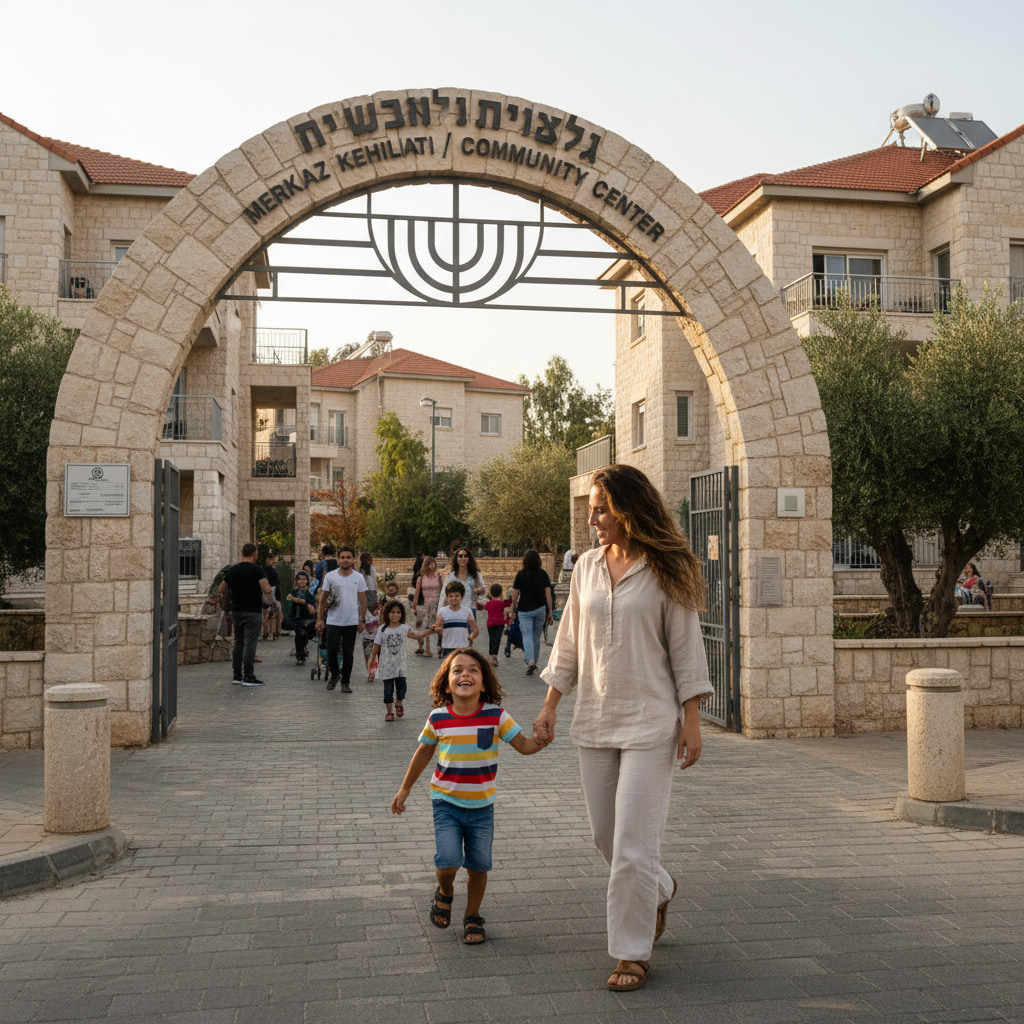
The kibbutz is home to approximately 200 residents, comprising families, children, volunteers, and students. It fosters a pluralistic and egalitarian environment, welcoming individuals from backgrounds. The community places a strong emphasis on environmental stewardship, with many members actively participating in sustainable agriculture and ecological education initiatives. The presence of families and children contributes to an atmosphere.
REAL ESTATE MARKET OVERVIEW
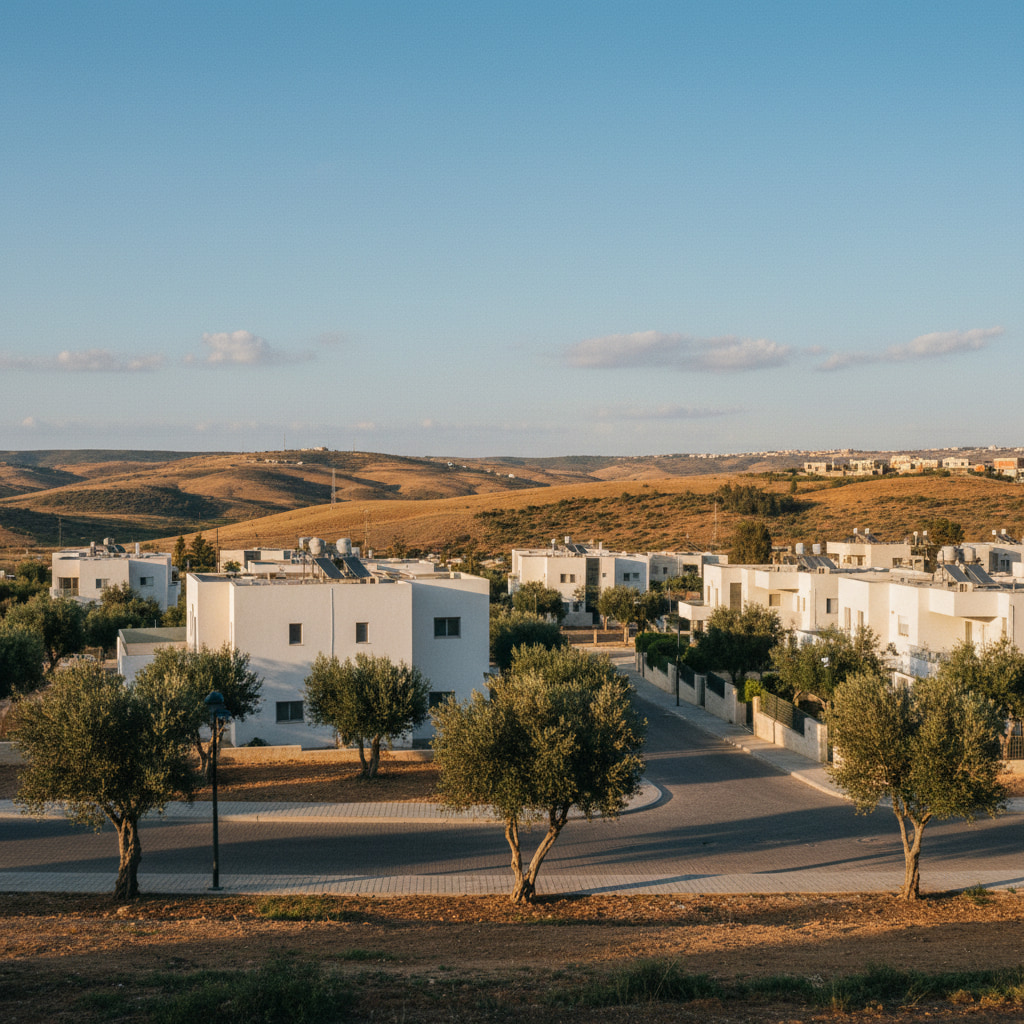
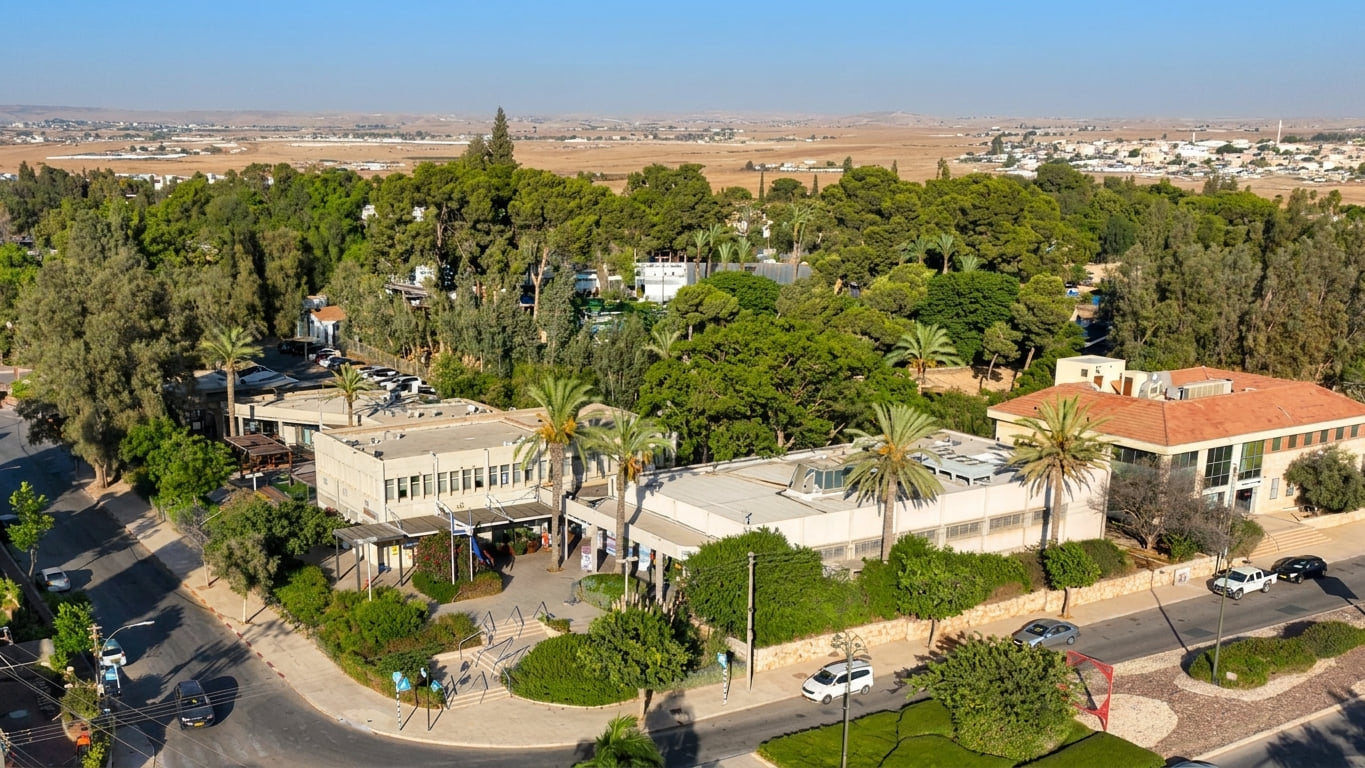
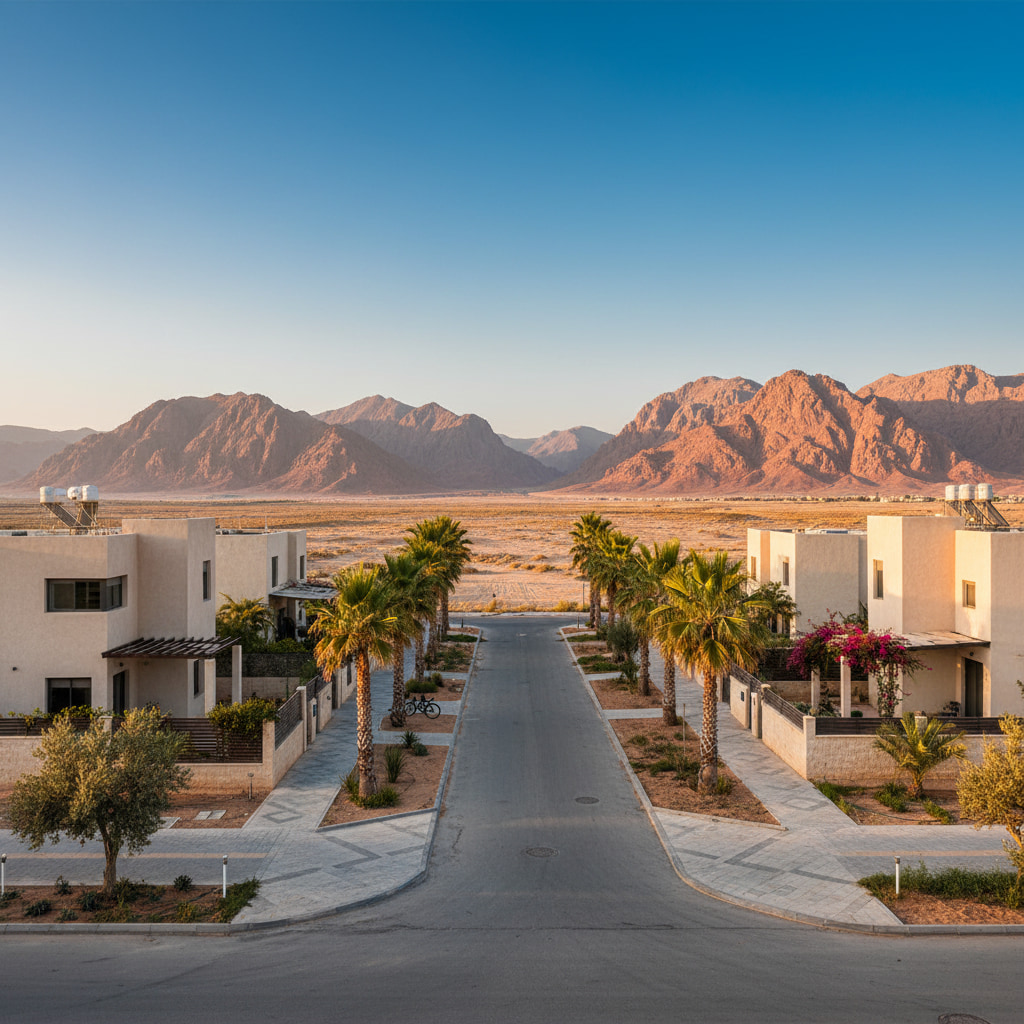
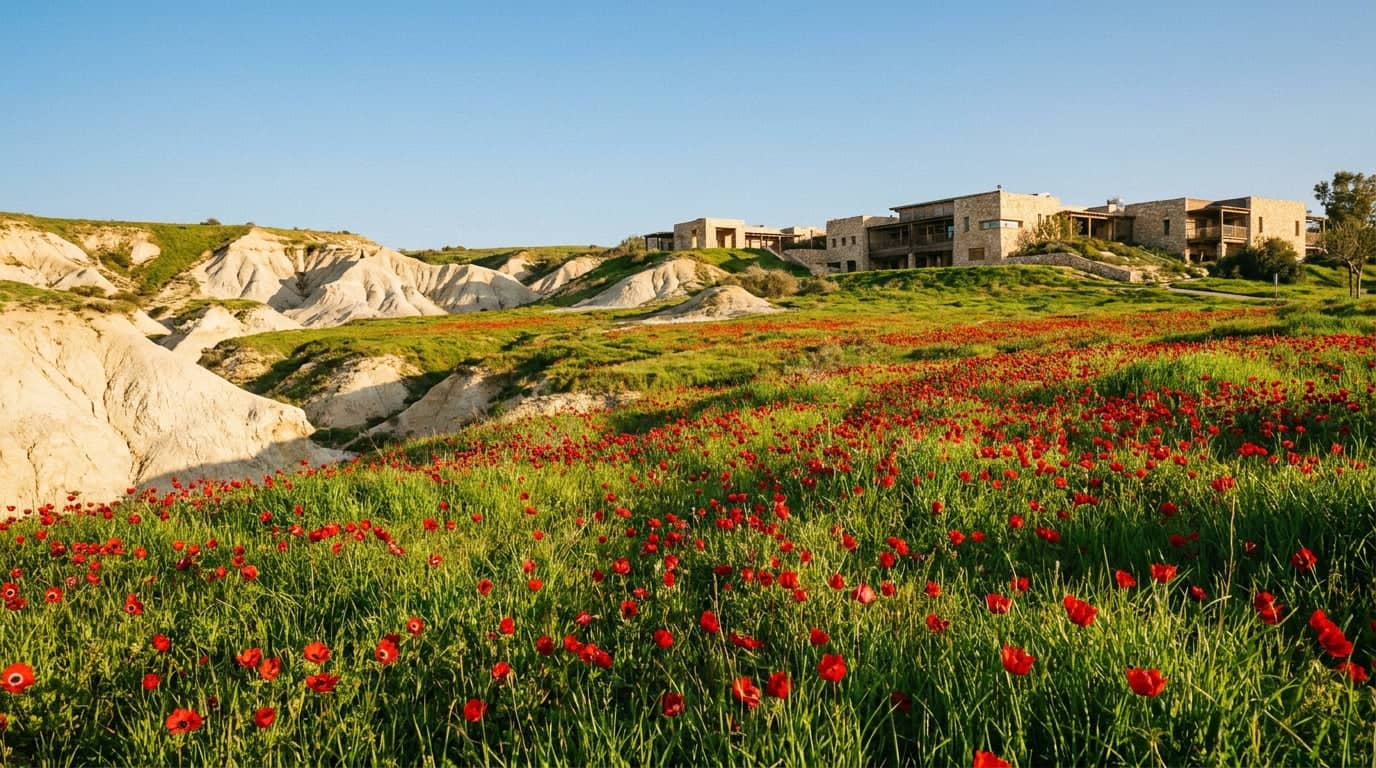
Kibbutz Lotan offers a variety of residential options, including family homes and individual units, constructed to accommodate its growing community. The kibbutz has embraced sustainable building practices, utilizing natural materials like earth-plastered straw bales to create energy-efficient structures. This approach reflects Lotan's commitment to environmental stewardship and provides residents with comfortable living spaces that harmonize with the desert surroundings. The real estate market in Kibbutz Lotan is characterized by its collective ownership model, where properties and resources are communally owned and managed. This structure fosters a strong sense of community and shared responsibility among residents. The kibbutz's focus on ecological living and progressive Jewish values attracts individuals and families seeking an alternative lifestyle centered on sustainability and communal living. Market liquidity is relatively low, as housing opportunities are typically available through membership acceptance rather than open market transactions.The layout is designed to promote interaction and collaboration among residents, with communal facilities such as the dining hall, educational centers, and recreational areas centrally located. This design supports the kibbutz's emphasis on collective living and shared experiences. Given its size and communal structure, Kibbutz Lotan does not have named sub-areas or neighborhoods. The entire community functions as a single, integrated entity, fostering close relationships and a unified sense of purpose among its members. In summary, Kibbutz Lotan's real estate market is defined by its collective ownership and commitment to sustainable living.
NEW CONSTRUCTION PROJECTS
Kibbutz Lotan has developed the EcoCampus neighborhood, featuring ten geodesic dome-shaped apartments constructed from straw bales and earth plaster. This initiative serves as a prototype for sustainable living, emphasizing low carbon footprints and environmentally sound technologies. The EcoCampus includes communal facilities such as bathrooms, showers, living spaces, and outdoor cooking areas, all designed to provide a hands-on educational experience in sustainable living practices.
TRANSPORTATION & ACCESSIBILITY
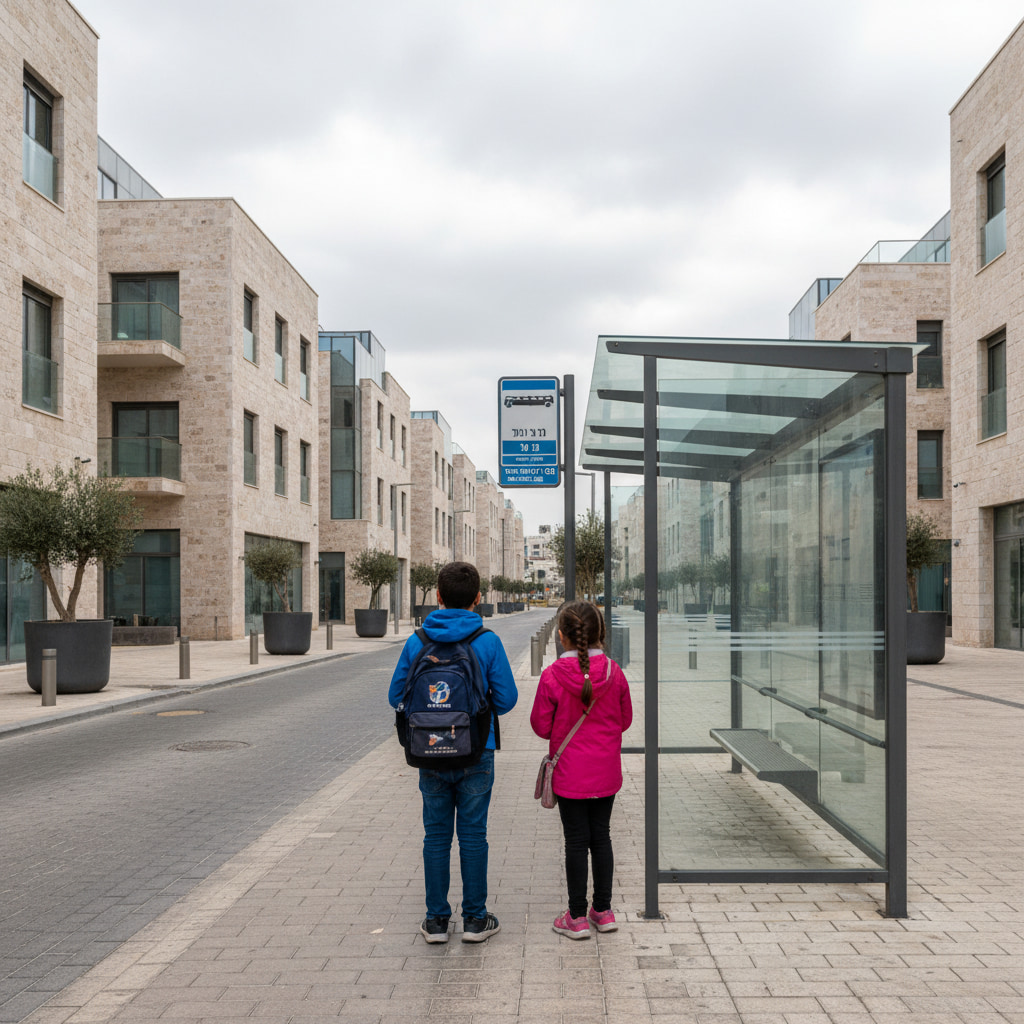
Transportation to Kibbutz Lotan is facilitated by several bus lines, including routes 23 and 24, which require advance reservation. The nearest bus stop, Lotan, is an one-minute walk from the kibbutz. Additionally, the Ketura Junction bus stop is approximately a 26-minute walk away. These services connect Lotan to regional hubs, providing residents and visitors with access to broader transportation networks.
WHY NEW IMMIGRANTS CHOOSE LOTAN
New immigrants, or olim, are drawn to Kibbutz Lotan for its unique combination of progressive Jewish values and commitment to environmental sustainability. The community offers a supportive environment for integrating into Israeli society, with opportunities for involvement in agriculture, education, and eco-tourism. Its location in the serene Arava Valley provides a peaceful setting, while the kibbutz's focus on pluralism and egalitarianism appeals to those seeking an inclusive community.
- Commitment to environmental sustainability
- Inclusive and egalitarian community
- Opportunities in agriculture and eco-tourism
- Supportive environment for integration
- Serene desert setting