CITY HISTORY & DEVELOPMENT
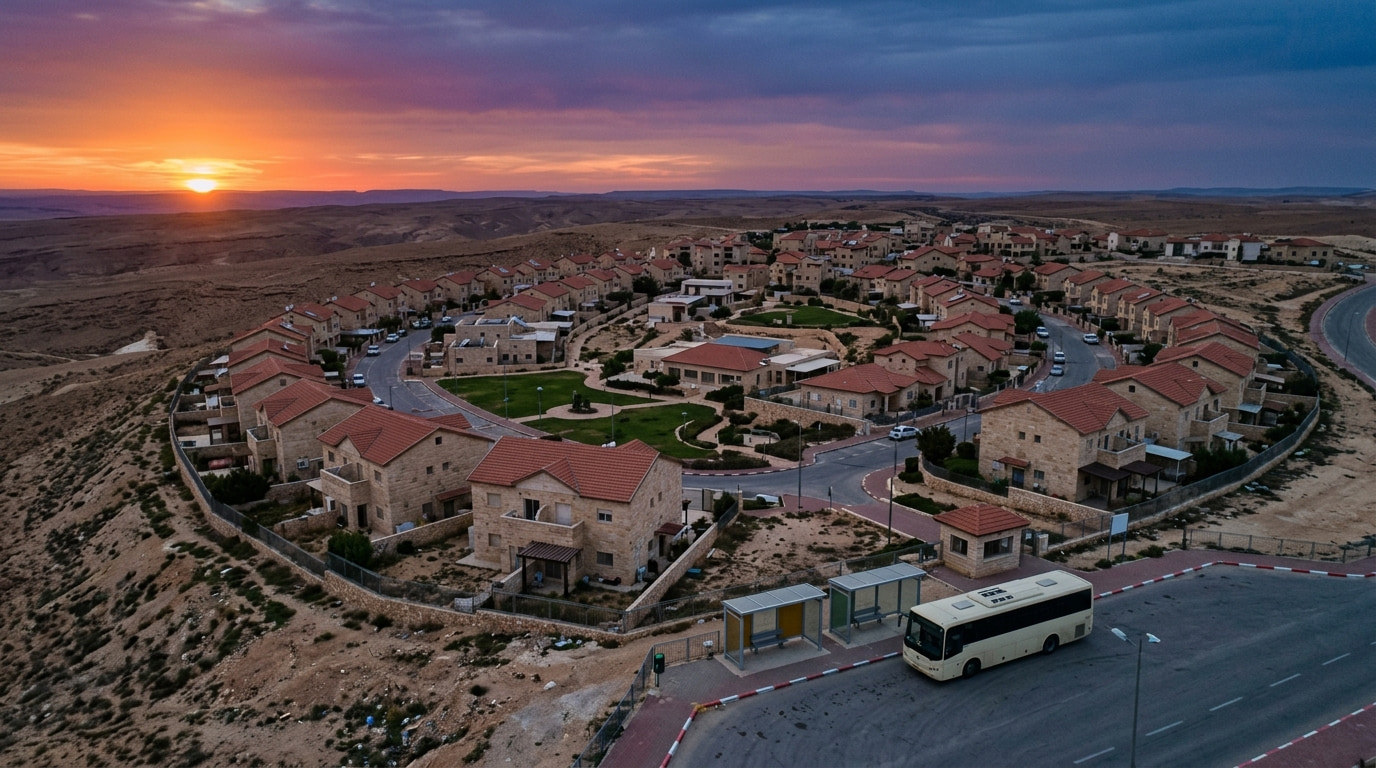
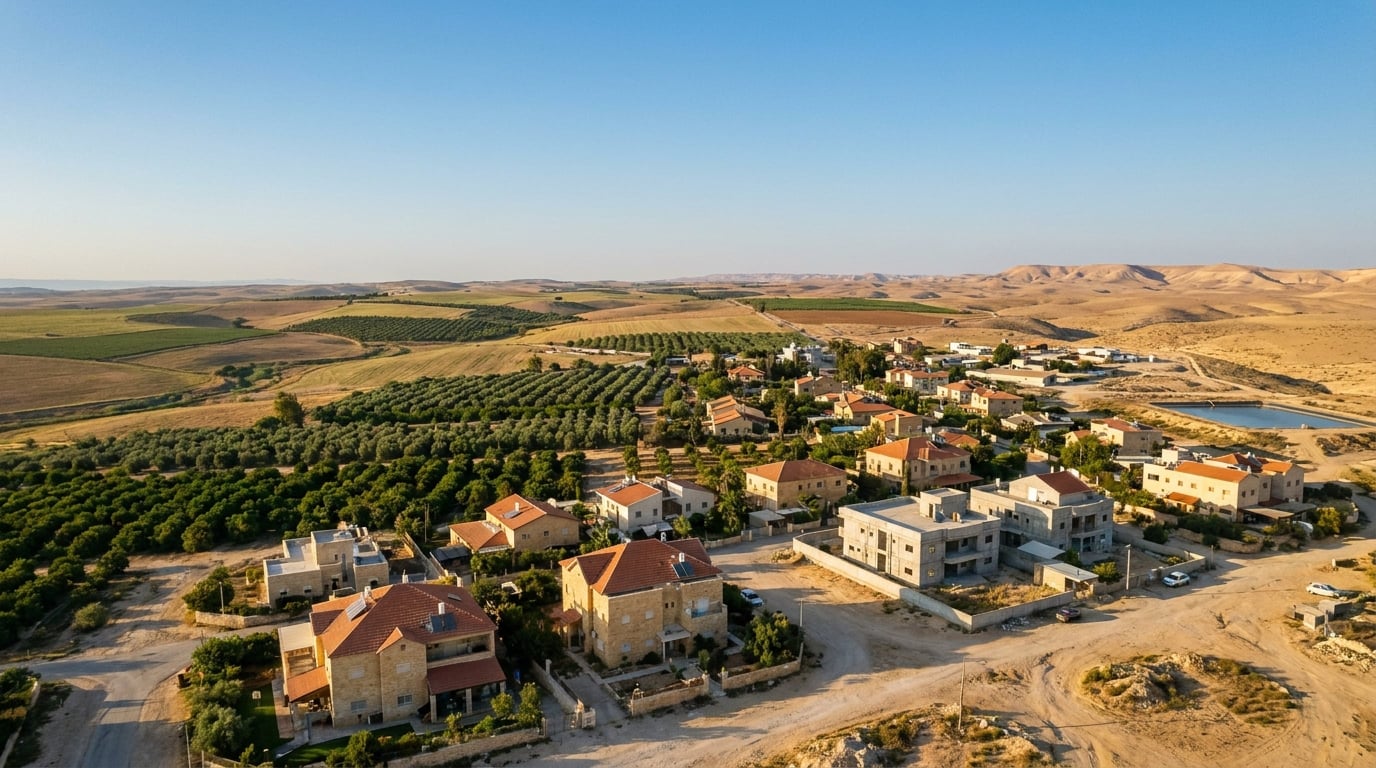
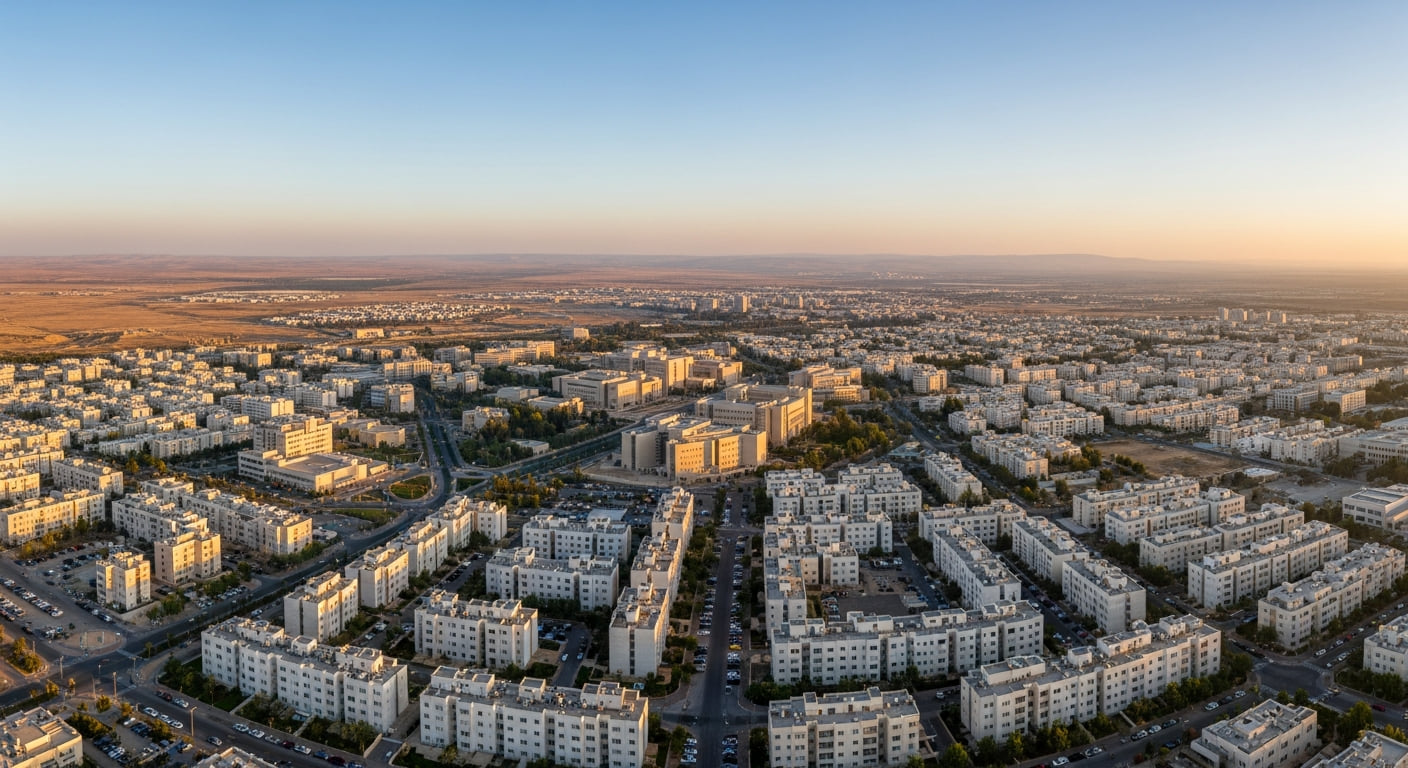
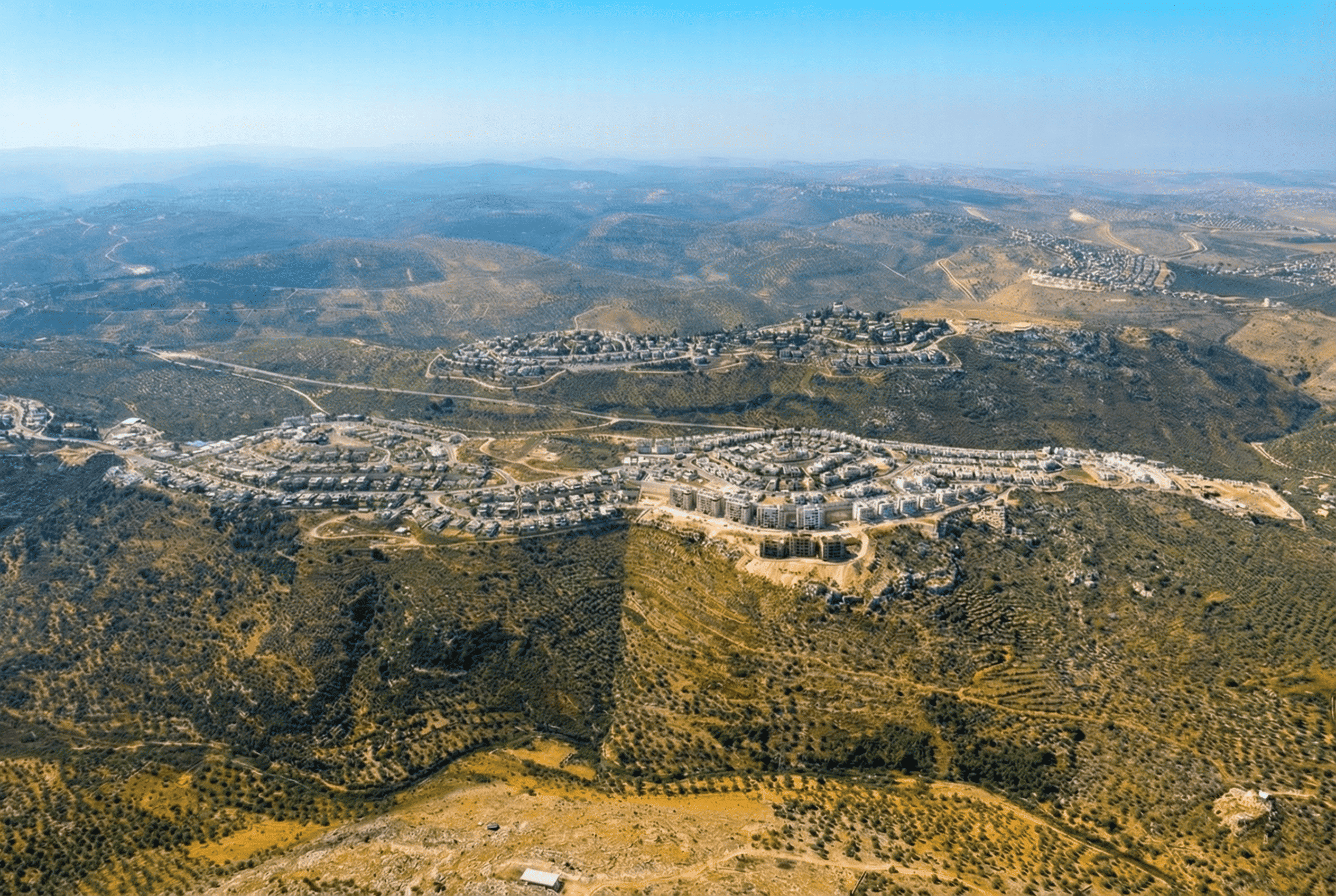
Sufa is a kibbutz in southern Israel, established in 1982 by former residents of the original Sufa settlement in the Sinai Peninsula, which was evacuated following the Egyptian-Israeli Peace Treaty. The kibbutz is situated in the Hevel Shalom area of the north-western Negev desert, near the Gaza Strip border. Its name, meaning 'storm' in Hebrew, reflects the severe dust storms experienced in the original location. Over the years, Sufa has developed into a privatized community while maintaining its communal spirit.
DEMOGRAPHICS & FAMILY LIFESTYLE
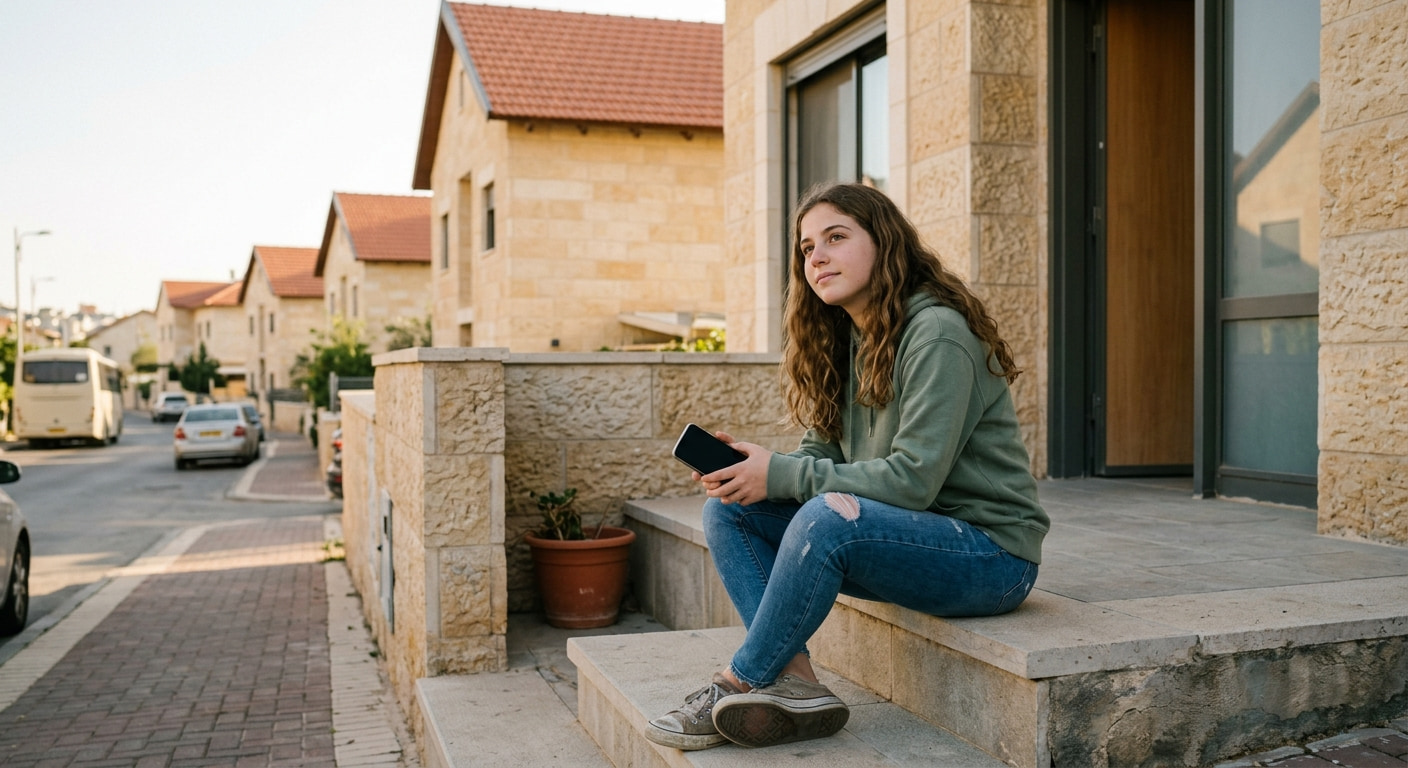
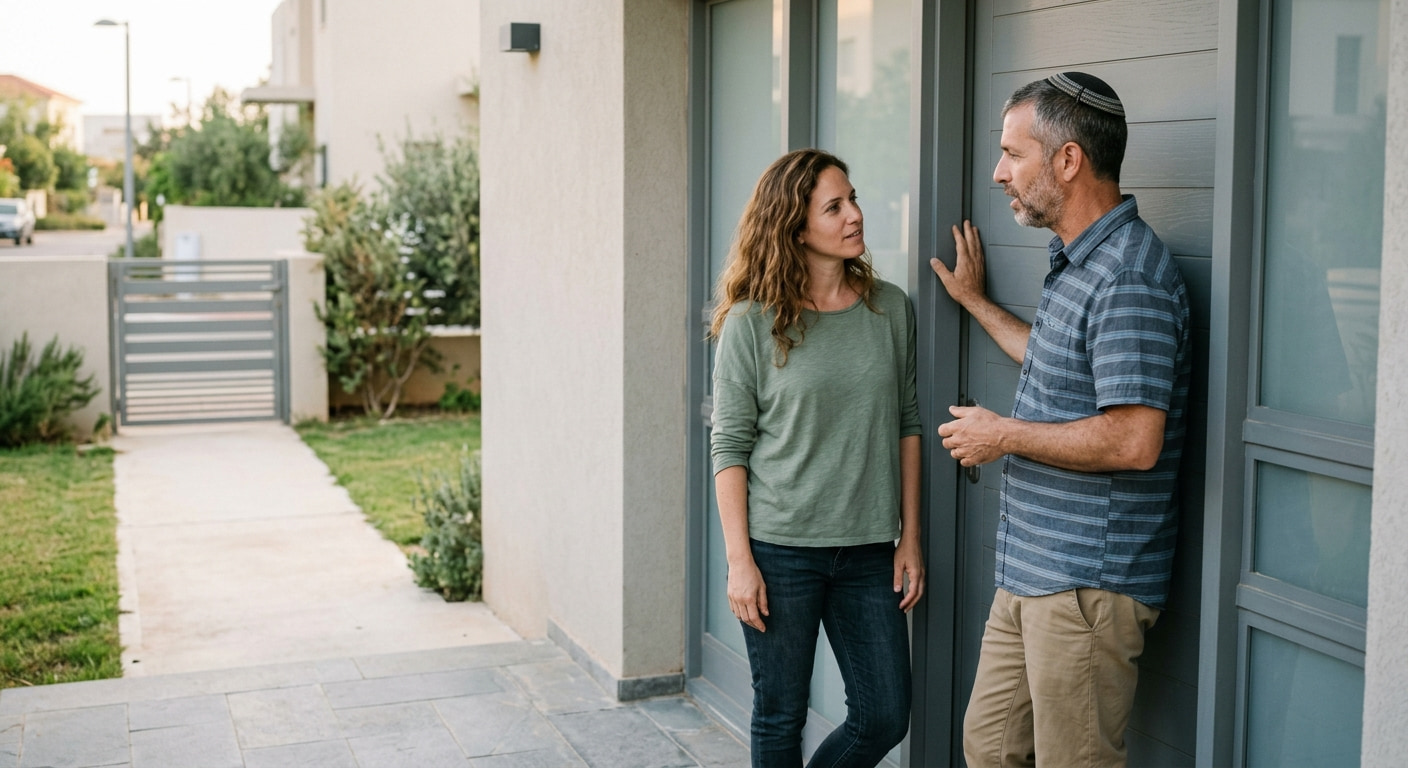
Sufa is a privatized, secular kibbutz comprising approximately 70 families. The community includes a mix of age groups, with a notable number of children, fostering a family-friendly environment. Residents engage in various professions, contributing to a lifestyle that balances individual pursuits with communal activities.
REAL ESTATE MARKET OVERVIEW
Kibbutz Sufa offers a range of residential options, including single-family homes and attached units, typically featuring modest plot sizes. The housing stock comprises both original structures from the kibbutz's establishment and newer constructions, reflecting the community's growth and modernization efforts. The architectural style is functional, emphasizing practicality and integration with the surrounding desert environment. The real estate market in Sufa is characterized by stable demand, driven by individuals and families seeking a supportive, secular community with a balance of personal independence and communal support. Property prices are competitive for a southern community, offering affordability compared to central Israel's coastal areas. The buyer profile includes both new immigrants and native Israelis attracted to the kibbutz's family-friendly environment and proximity to larger cities like Ashkelon. Market liquidity is moderate, with properties available for purchase as the community continues to welcome new members.The kibbutz's layout is designed to foster close-knit interactions among residents, with communal facilities centrally located to serve all members.
NEW CONSTRUCTION PROJECTS
Kibbutz Sufa is undertaking a comprehensive rehabilitation initiative, focusing on the construction of new public buildings such as kindergartens, daycare centers, youth clubs, a cooperative garden, and an office building. These single-story structures are designed to harmonize with the surrounding landscape, fostering a connection to the land while balancing protection with openness and transparency. The project encompasses a total area of 3,000 square meters and is currently in the design development phase.
TRANSPORTATION & ACCESSIBILITY
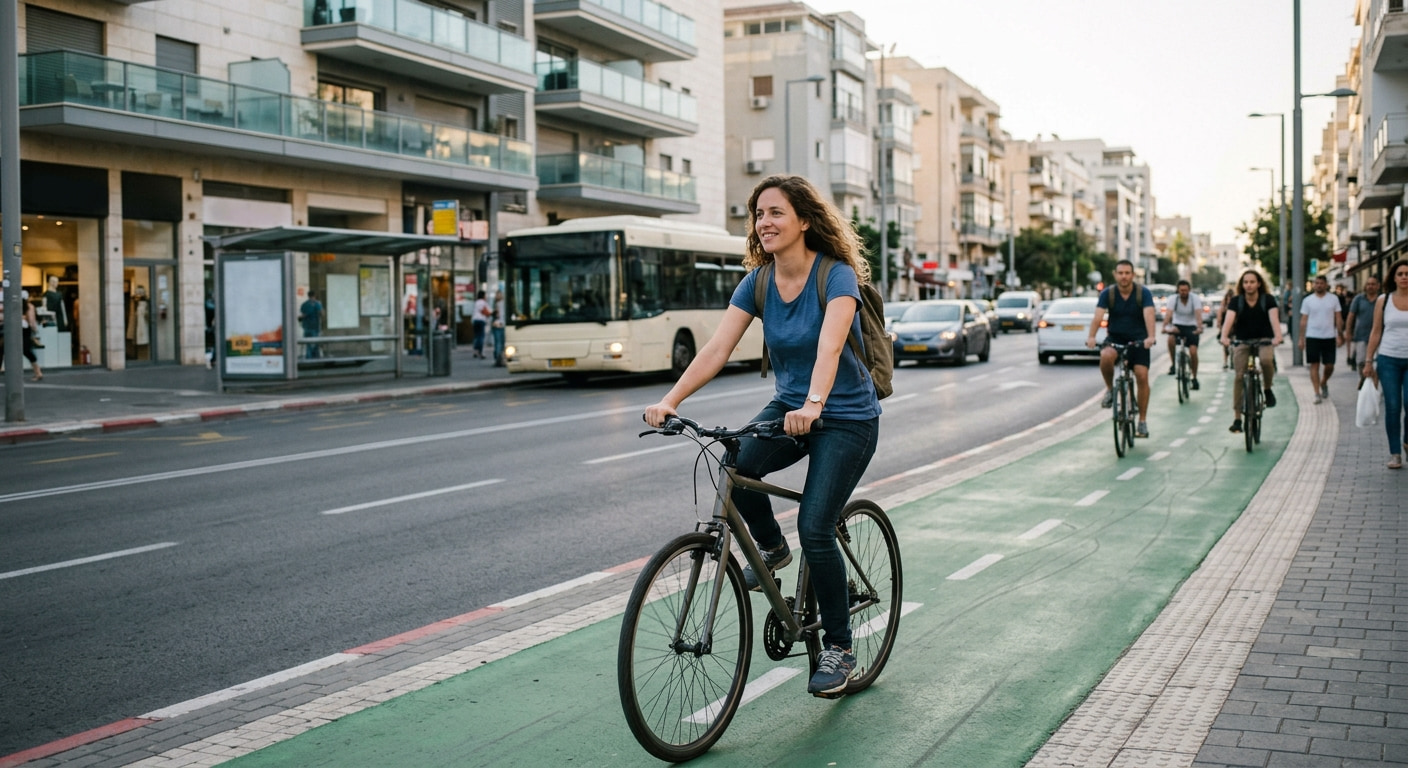
Transportation to and from Kibbutz Sufa is facilitated by bus line 11, which connects the kibbutz to nearby areas, including Kerem Shalom. The nearest bus stop, Sufa Center, is a short walk from the community's center. While public transportation options are available, residents often rely on private vehicles for commuting to larger cities like Ashkelon, approximately a 35-minute drive away, providing access to a broader range of services and employment opportunities.
WHY NEW IMMIGRANTS CHOOSE SUFA
New immigrants, or olim, are drawn to Sufa for its supportive community, secular orientation, and proximity to larger cities like Ashkelon, which is about a 35-minute drive away. The kibbutz offers a family-friendly environment with a mix of age groups, including many children, fostering a sense of belonging. Additionally, the privatized nature of the kibbutz allows for personal economic independence while maintaining communal support systems.
- Supportive secular community
- Proximity to Ashkelon (35-minute drive)
- Family-friendly environment with many children
- Balance of personal independence and communal support
- Opportunities for personal and professional growth